
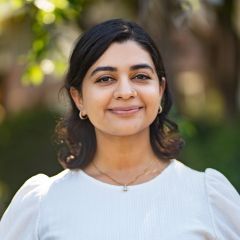
Akriti is interested in utilizing translational research to improve healthcare delivery and address healthcare inequities. In her free time, she enjoys painting, reading, and yoga!
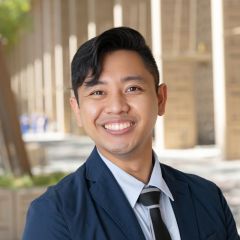
Nathan is one of the trusted administrative associates in Anesthesiology’s Research Operations team. His focus is providing the lab with resources, policy guidance, and overall support across all the lab’s specialties. Outside of work, Nathan loves dancing, practicing voice impressions, and learning about modern psychology in today’s youth and pop culture in a post-COVID world.
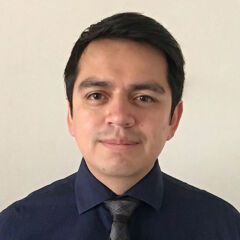
Gustavo’s goal is to help develop tools and methods that improve anesthetic management during surgery and critical care. Additionally, he is interested in characterizing opioid mechanisms to better understand and address the ongoing opioid crisis.
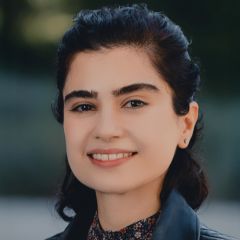
Pegah Kahali, MD is a board-certified neurologist and Instructor in the Department of Neurology at Stanford, with subspecialty training in Movement Disorders. Originally from Tehran, she obtained her medical degree from Tehran University of Medical Sciences, followed by a research fellowship in electrophysiology and neuroimaging in Boston. Dr. Kahali’s academic background is rooted in systems neuroscience and electrophysiology, and her research focuses on the neural mechanisms underlying motor and cognitive control, with an emphasis on neuromodulation in Parkinson’s disease. She completed her neurology residency at the University of Southern California/LA General Medical Center and subsequently pursued fellowship training in Movement Disorders at Stanford.
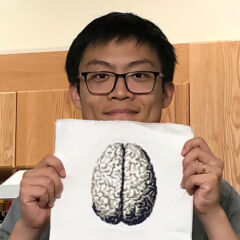
Alex is interested in understanding, diagnosing, and preventing Alzheimer’s disease with advanced signal processing and statistical modeling tools.

Jenny is passionate about developing physiologically sound statistical models to explore consciousness and the brain-behavior-environment connection. She loves traveling, adventure, music, learning and discovering new things, and cherishing every moment with her loved ones.
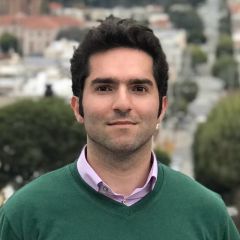
Kasra is interested in developing statistical signal processing methods and machine learning algorithms for analyzing neural data, such as EEG signals. He is passionate about advancing techniques that help better understand brain function through data-driven approaches. In his free time, he prioritizes spending time with his wife and two sons, teaching them and exposing them to a variety of experiences. He also enjoys reading, calligraphy, painting, and staying active through regular exercise.
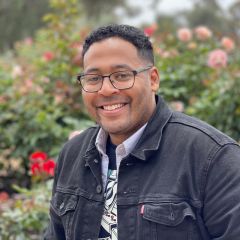
Scott is a musician, composer, and music technology researcher. He is interested in studying the brain dynamics of Jazz musicians during improvisation, leveraging advanced signal processing techniques and statistical modeling.

Fangyun is interested in investigating the neurophysiological mechanisms of general anesthesia and consciousness using biomedical signal processing and statistical modeling approaches.
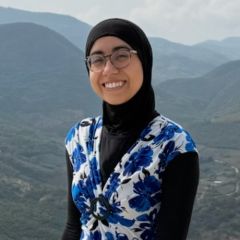
Hanan is interested in understanding the neurobiological overlap between natural sleep and anesthesia in order to develop synthetic sleep paradigms with physiological benefits. She was born and raised in Fresno, CA and enjoys adventure sports like surfing and snowboarding.

Moi Arriaga grew up in Pittsburgh, PA, and received his ScB from Brown University, he then received his MD and PhD from Washington University in St. Louis. He is currently a resident in the department of Anesthesiology. His fun fact is that his dog is probably smarter than him.
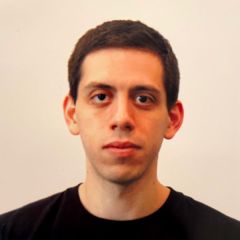
Ben is interested in developing technologies to help us better understand and modulate conscious states, with the goal of enhancing well-being within and beyond medical care.

Katherine is interested in applying signal processing and simulation methods to better understand neural dynamics under different physiological and cognitive states. She is currently working on tissue-specific head modeling for informed pathway analysis. Outside of work, she teaches pilates and enjoys reading with boba in hand.
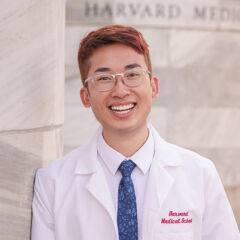
Rory is currently interested in using signal processing methods and control theory to develop new ways of diagnosing and treating psychological illnesses and neurodegenerative diseases. His current project is trying to identify unique markers for cognitive decline in cancer patients. Outside of his work, Rory is interested in medical administration, photography, and graphic design.
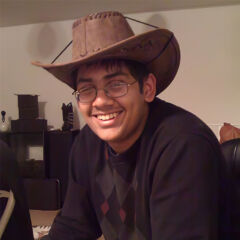
Kishore is interested in developing and applying biostatistical techniques to better characterize and improve upon opioid management and pain outcomes. Kishore enjoys solving and creating puzzles, making music, and the Dallas Mavericks.

Harjinder is interested in leveraging clinical data and pharmacokinetic modeling to better understand how anesthetics interact with the brain and body. He is passionate about using data-driven approaches, like signal processing, statistical modeling, and machine learning to improve anesthetic techniques and patient outcomes. Outside the lab, Harjinder enjoys basketball, exploring new food spots, and watching anime.
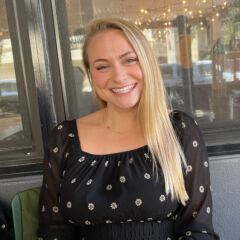
Julia is interested in studying the relationship between aging, neurodegenerative diseases, and sleep using tools such as EEG and actigraphy. She plans to pursue a degree in clinical psychology. In her free time, she enjoys running, spending time outdoors, and traveling to visit friends and family.

Mae is interested in learning more about the different applications and effects of anesthesia through non-invasive techniques such as EEGs and neurocognitive testing. In her free time, Mae enjoys reading, exploring new restaurants, and hiking.
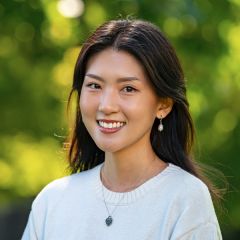
Angela is interested in exploring the neural and biological mechanisms underlying cognitive impairment, with a focus on using neuroimaging techniques to develop preventive strategies for age-related neurological disorders. As an aspiring physician-scientist, she is driven by a commitment to improve diagnostic and therapeutic approaches in neurology and geriatric medicine. Outside the lab, Angela enjoys painting and exploring the city to try new desserts.
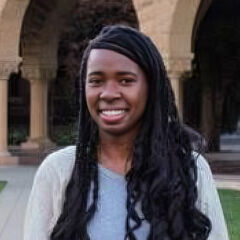
Jasmine is interested in the use of data science to solve public health issues and address healthcare disparities. In her spare time, she loves giving fun facts about the great city of Atlanta, indoor cycling, and watching basketball!
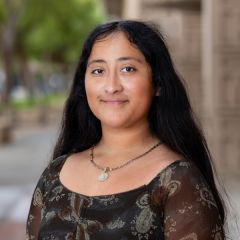
Dulce Karina is interested in exploring the neural and biological mechanisms underlying the relationship between bilingualism and neurodegenerative diseases. She is particularly focused on applying neuroscience and engineering-based approaches, especially neuroimaging techniques, to improve early diagnosis and develop preventative strategies tailored to bilingual populations. She plans to pursue a degree in neuroscience. Outside the lab, she enjoys spending time in nature, trying new foods, and exploring the Bay Area.
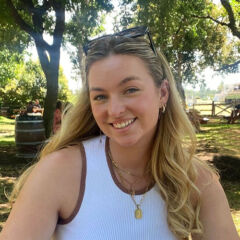
Emily is interested in studying the neural mechanisms of neurodegenerative diseases, such as Alzheimer’s and Parkinson’s, using different neuroimaging techniques, and plans to pursue a career in neurodegenerative research. In her free time, she loves walking her dog, reading, and following Bay Area sports

Baani is interested in exploring how anesthesia affects brain activity and cognitive function, with the goal of improving clinical care and patient outcomes during and after surgery. She is particularly excited about using non-invasive techniques like EEG to study brain dynamics in the perioperative setting. In her free time, Baani finds joy in reading and baking.
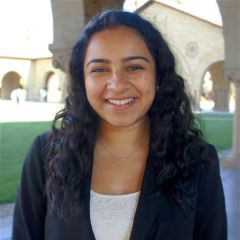
Nitya is interested in exploring the neural mechanisms of anesthesia through neuroimaging techniques, with a focus in identifying biomarkers of brain function and their relationship to outcomes like pain and postoperative delirium. She plans to pursue a career as an academic physician. In her free time, she enjoys running, trying new coffee shops, and going to concerts!

Sebastian explores the intersection of sustainability, neuroscience, and chronic pain. His research focuses on pain biomarkers using EEG and sensory testing, and he recently completed a study on how air pollution impacts pediatric chronic pain. Outside the lab, he enjoys cooking new recipes, recreational swimming, and dancing with Stanford’s competitive hip-hop team, Legacy.

Yerin is interested in investigating the mechanisms of neurodegenerative diseases through neuroimaging, with a long-term goal of translating these insights into functional neurosurgical interventions. In her free time, she tries to enjoy watching Tottenham Hotspur FC and loves listening to The Weeknd.
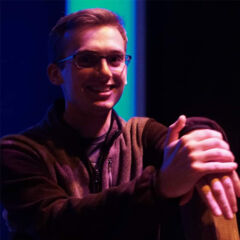
2021 – 2025
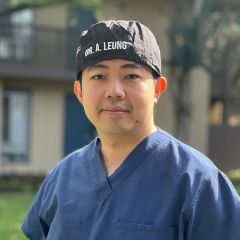
2024 – 2025
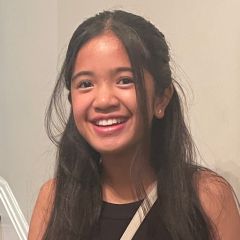
2025
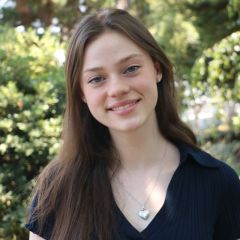
2025
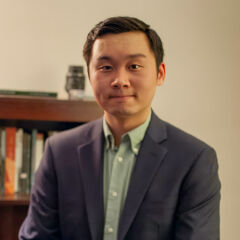
2021 – 2025
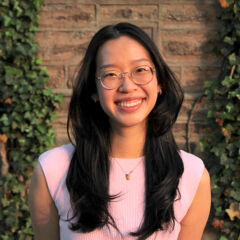
2021 – 2025
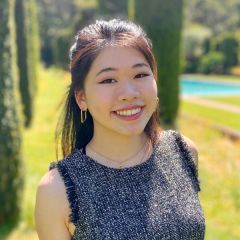
2024 – 2025
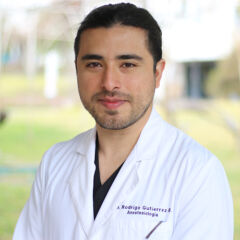
2019 – 2024

2019 – 2024
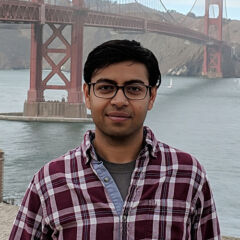
2020-2024
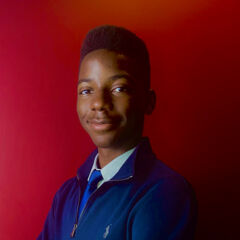
2021-2023
2021-2023
2022-2023
2021-2023
2021-2023
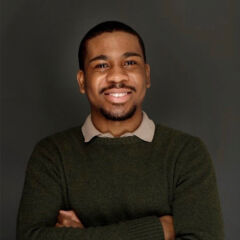
2021-2023

2018-2023
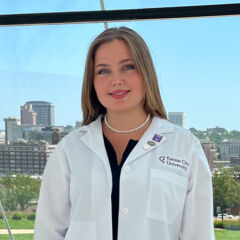
2023-2023
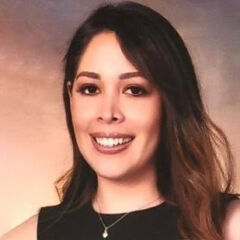
2018-2022
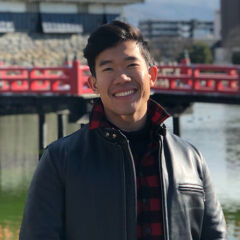
2019-2021
2021-2022
2016-2019
2018-2021
2017-2022

2015-2018
2016-2018
2016-2022

2015-2020
2018-2019
2019-2020

2018-2020